How is heavy melting scrap recycled?
Heavy Melting Scrap (HMS) is an essential raw material for the global steel industry, offering an eco-friendly alternative to mining for iron ore. Recycling heavy melting scrap is an energy-efficient process that not only reduces the need for virgin raw materials but also contributes to lowering carbon emissions. The recycling of heavy melting scrap involves a series of carefully managed steps, each aimed at maximizing the value of the scrap and ensuring that it can be reused effectively in the production of new metal products.
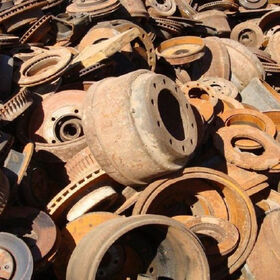
The recycling process of heavy melting scrap begins with the collection and sorting of materials. Scrap metal is sourced from various industries, including construction, automotive, and machinery. The materials that make up heavy melting scrap typically consist of ferrous metals such as steel, iron, and cast iron, along with occasional alloyed metals like stainless steel. Once these materials are gathered, they are transported to recycling facilities where they are processed.
Step 1: Sorting and Preparation
Before heavy melting scrap can be recycled, it needs to be sorted based on the type of metal it contains. This step ensures that each type of metal is processed appropriately. The scrap may contain mixed materials, and removing contaminants like plastics, rubber, and wood is essential. The sorting process typically involves manual separation and the use of specialized machines such as magnets for separating ferrous metals like steel and iron from non-ferrous metals like aluminum. After sorting, the scrap is cleaned, ensuring that any impurities are removed to maintain the quality of the recycled metal.
Step 2: Shredding and Crushing
Once the heavy melting scrap is sorted, it is then sent to shredding machines that break down the larger pieces into smaller, more manageable fragments. Shredding reduces the size of the scrap, making it easier to handle and more efficient to melt down during the recycling process. Additionally, this step ensures that any large items such as structural beams, machinery, or automotive parts are broken down into smaller pieces that can be more uniformly processed in the furnace.
Step 3: Melting
The next step in the recycling process is melting the shredded scrap. Heavy melting scrap is placed in large furnaces, typically electric arc furnaces (EAF), where it is heated to extremely high temperatures. These furnaces use electricity to melt the scrap, which can reach temperatures of over 1,600°C (2,900°F). The electric arc furnace is ideal for melting heavy melting scrap because it is energy-efficient and can quickly process large quantities of scrap metal. The scrap metal liquefies in the furnace and is then refined to remove any remaining impurities.
Step 4: Refining and Forming
After the heavy melting scrap has melted, it undergoes a refining process to remove any remaining impurities, such as sulfur, phosphorus, and other elements that may affect the quality of the final product. Various refining methods, such as oxygen lancing, are used to adjust the chemical composition of the molten metal. Once the metal is refined and reaches the desired quality, it is poured into molds or cast into ingots, slabs, or billets, depending on its intended use.
Step 5: Reuse in Steel Production
The final step involves using the recycled heavy melting scrap to produce new metal products, particularly steel. The recycled scrap is often mixed with other raw materials like iron ore and flux to produce steel in the furnace. The recycling process saves both time and energy compared to producing steel from virgin iron ore. By using recycled heavy melting scrap, steel manufacturers can reduce their carbon footprint, lower production costs, and contribute to a more sustainable industrial cycle.
Global Sources: A Convenient Platform for Wholesale Heavy Melting Scrap
If you are looking to purchase or sell heavy melting scrap, Global Sources offers a convenient and efficient B2B platform where you can shop online for wholesale products at competitive factory prices. The platform connects buyers with verified wholesalers and manufacturers from countries such as China, India, Korea, and other regions, allowing you to easily browse, compare prices, and make informed decisions. Whether you are sourcing heavy melting scrap for recycling purposes or seeking suppliers for your manufacturing needs, Global Sources simplifies the process and helps you connect with the right suppliers quickly and efficiently.
Conclusion
Recycling heavy melting scrap is a vital part of the global recycling economy, helping to reduce the environmental impact of metal production while providing valuable raw materials for steel and other industries. The recycling process, which involves sorting, shredding, melting, refining, and forming, ensures that heavy melting scrap is reused effectively. Thanks to platforms like Global Sources, businesses can now easily source high-quality heavy melting scrap at competitive prices, streamlining the entire process of purchasing and recycling scrap metal.